By
Sanjana Chavali
June 5, 2026
•
7
min read
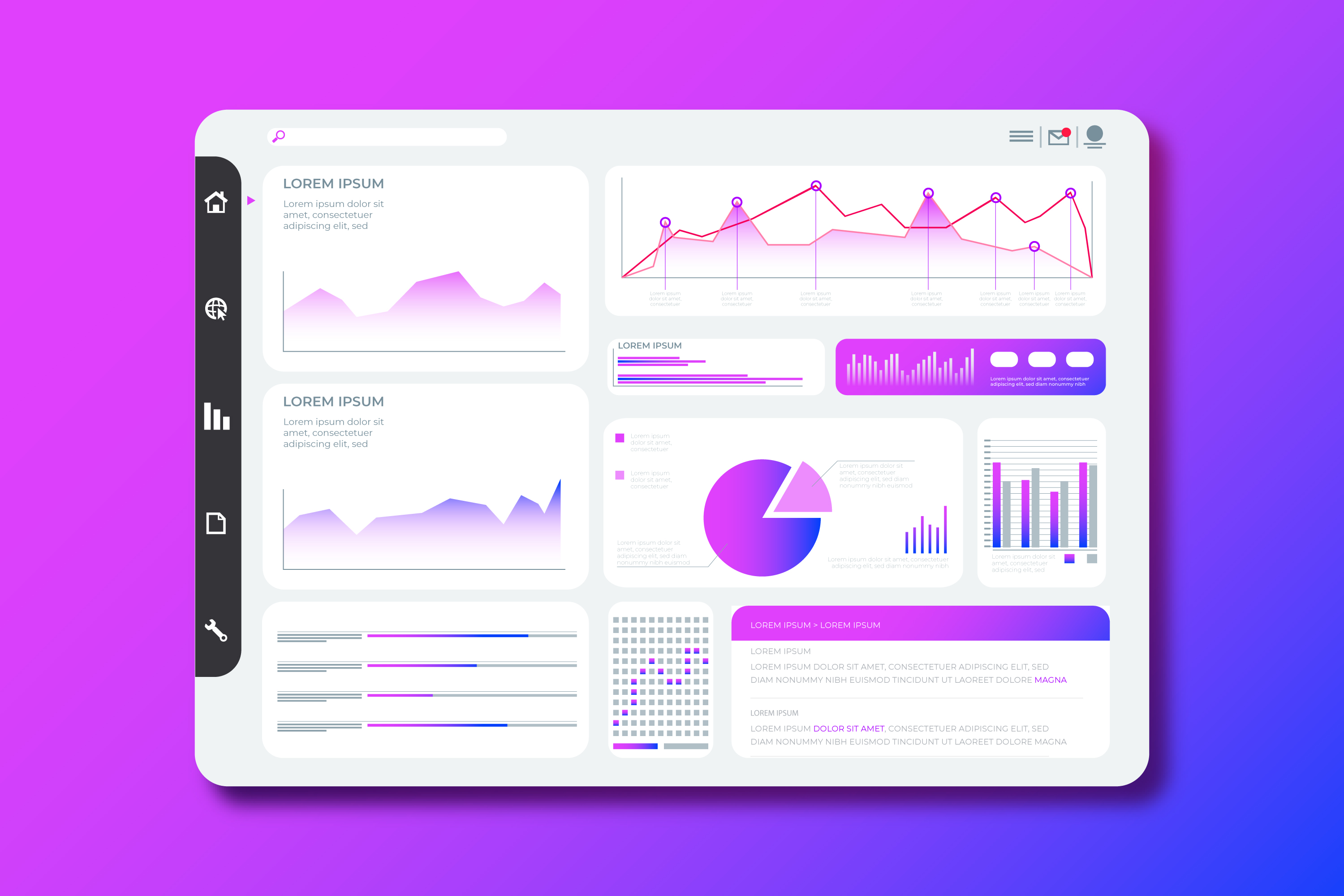
A regional manager reviews the audit dashboard: 94% compliance across 60 stores. Everything appears under control. Then a regulatory inspection uncovers a food safety violation that had been flagged in two previous audits. The issue wasn't that audits weren't happening. The issue was that the audit system never made the risk visible.
This gap between reported compliance and actual compliance is what weakens compliance programmes. Not because anyone is negligent. But because manually distributed audit processes create blind spots that make this gap nearly impossible to avoid.
In most retail audit systems, the auditor doesn't just conduct the audit. They also become responsible for distributing findings to the right teams: trainers, ops heads, quality teams, store managers. Each handoff is an opportunity for the information to shift, get delayed, or disappear entirely.
By the time findings reach decision-makers, they've been filtered through multiple people, summarized into reports, and compressed into clean-looking data. A flagged temperature log gap at Store A becomes a buried line item in a spreadsheet. An expired inventory issue becomes a checkbox.
An auditor identifies that Store A is missing temperature logs for the past week. Here's how the information flows:
Without a centralized system, findings disappear into a black box. A food safety gap goes unaddressed. A cash handling procedure issue sits in someone's inbox. A fire exit obstruction never gets reported to facilities. The audit gets completed and filed. The action never happens. The next audit finds the same violation.
When audit data arrives at leadership's desk, it comes as findings from multiple stores compiled into one report: hundreds of checklist items across locations, compliance scores mixed with non-compliance notes. A store with improper cash handling flagged three times looks like a data entry problem, not a pattern. Another store with different violations each audit looks random.
Leadership reviews the full dataset but can't see what matters because the information is structured in a way that obscures it. The recurring problems (Store A has failed the same checklist item repeatedly; Region B consistently underperforms on opening procedures) stay invisible until someone manually digs through the data.
Leadership sees a 92% compliance score and makes decisions on it:
Two stores can both score 92%, but one may have minor cleanliness issues while the other has unresolved temperature log violations and expired inventory. The score treats them equally.
Leadership operates on the best information available, but the data itself doesn't reveal its own reliability. The 92% looks solid until you realize it obscures what actually matters.
Six months later, a regulator identifies a food safety breach that had appeared in two previous audits. The issue triggers corrective actions across multiple stores, leadership scrutiny, and significant operational disruption. Looking back, the violation was visible in the audit data. In the moment, working with information fragmented across people and systems, it was invisible.
This is the real cost: not a single bad decision, but a system that systematically obscures what leadership needs to see.
The challenge with manually distributed audit processes isn't incompetence. It's that collecting, distributing, verifying, and acting on audit findings through disconnected channels creates structural gaps. Information fragments across people and systems. Patterns require manual effort to spot. Data verification happens inconsistently. You're making decisions based on incomplete information while thinking you have full visibility.
The problem is that the system feels like it's working. Audits happen. Reports are generated. Scores are tracked. Everything appears managed. You only discover the gaps exist when they cost you something: a regulatory finding, a customer issue, a compliance crisis that should have been prevented.
Three things shift when audit systems are built for clarity:
1. Findings reach the right teams immediately, with full context and evidence. Store managers see the specific issue (expired inventory in aisle 3, temperature logs missing for June 15-17) rather than a generic flag. No manual handoffs. No information loss.
2. Patterns become visible automatically. Recurring issues surface without manual analysis. If Store A has failed the same temperature log procedure three times, the system shows it. If Region B consistently underperforms on opening checklists, leadership sees it. Real-time dashboards surface what matters.
3. Data verification is built in. Audit information is trustworthy because findings come from structured checklists, timestamped submissions, location-verified evidence. Leadership can identify which violations need immediate attention versus which are trending better.
When these three exist, the gap between reported compliance and actual compliance closes. You have the visibility you need to make informed decisions.
Before your next compliance review: when a violation is identified at a store, can you answer these clearly?
If the answer to any is unclear, your system is hiding problems.


A regional manager reviews the audit dashboard: 94% compliance across 60 stores. Everything appears under control. Then a regulatory inspection uncovers a food safety violation that had been flagged in two previous audits. The issue wasn't that audits weren't happening. The issue was that the audit system never made the risk visible.
This gap between reported compliance and actual compliance is what weakens compliance programmes. Not because anyone is negligent. But because manually distributed audit processes create blind spots that make this gap nearly impossible to avoid.
In most retail audit systems, the auditor doesn't just conduct the audit. They also become responsible for distributing findings to the right teams: trainers, ops heads, quality teams, store managers. Each handoff is an opportunity for the information to shift, get delayed, or disappear entirely.
By the time findings reach decision-makers, they've been filtered through multiple people, summarized into reports, and compressed into clean-looking data. A flagged temperature log gap at Store A becomes a buried line item in a spreadsheet. An expired inventory issue becomes a checkbox.
An auditor identifies that Store A is missing temperature logs for the past week. Here's how the information flows:
Without a centralized system, findings disappear into a black box. A food safety gap goes unaddressed. A cash handling procedure issue sits in someone's inbox. A fire exit obstruction never gets reported to facilities. The audit gets completed and filed. The action never happens. The next audit finds the same violation.
When audit data arrives at leadership's desk, it comes as findings from multiple stores compiled into one report: hundreds of checklist items across locations, compliance scores mixed with non-compliance notes. A store with improper cash handling flagged three times looks like a data entry problem, not a pattern. Another store with different violations each audit looks random.
Leadership reviews the full dataset but can't see what matters because the information is structured in a way that obscures it. The recurring problems (Store A has failed the same checklist item repeatedly; Region B consistently underperforms on opening procedures) stay invisible until someone manually digs through the data.
Leadership sees a 92% compliance score and makes decisions on it:
Two stores can both score 92%, but one may have minor cleanliness issues while the other has unresolved temperature log violations and expired inventory. The score treats them equally.
Leadership operates on the best information available, but the data itself doesn't reveal its own reliability. The 92% looks solid until you realize it obscures what actually matters.
Six months later, a regulator identifies a food safety breach that had appeared in two previous audits. The issue triggers corrective actions across multiple stores, leadership scrutiny, and significant operational disruption. Looking back, the violation was visible in the audit data. In the moment, working with information fragmented across people and systems, it was invisible.
This is the real cost: not a single bad decision, but a system that systematically obscures what leadership needs to see.
The challenge with manually distributed audit processes isn't incompetence. It's that collecting, distributing, verifying, and acting on audit findings through disconnected channels creates structural gaps. Information fragments across people and systems. Patterns require manual effort to spot. Data verification happens inconsistently. You're making decisions based on incomplete information while thinking you have full visibility.
The problem is that the system feels like it's working. Audits happen. Reports are generated. Scores are tracked. Everything appears managed. You only discover the gaps exist when they cost you something: a regulatory finding, a customer issue, a compliance crisis that should have been prevented.
Three things shift when audit systems are built for clarity:
1. Findings reach the right teams immediately, with full context and evidence. Store managers see the specific issue (expired inventory in aisle 3, temperature logs missing for June 15-17) rather than a generic flag. No manual handoffs. No information loss.
2. Patterns become visible automatically. Recurring issues surface without manual analysis. If Store A has failed the same temperature log procedure three times, the system shows it. If Region B consistently underperforms on opening checklists, leadership sees it. Real-time dashboards surface what matters.
3. Data verification is built in. Audit information is trustworthy because findings come from structured checklists, timestamped submissions, location-verified evidence. Leadership can identify which violations need immediate attention versus which are trending better.
When these three exist, the gap between reported compliance and actual compliance closes. You have the visibility you need to make informed decisions.
Before your next compliance review: when a violation is identified at a store, can you answer these clearly?
If the answer to any is unclear, your system is hiding problems.
Join the brands building better frontline workforces. Live in 50 days. No IT complexity. Dedicated support from day one.



.jpg)
.png)



.png)
.jpg)




.png)