By
Sanjana Chavali
October 12, 2026
•
5
min read
A frontliner's day is full, and most of it is spent on their feet. Within a single shift there can be an opening checklist, a training module, a display change, a stock count and a request from a supervisor, all while attending to walk-ins. The day goes best when everyone can see what is planned, and that is where a good part of frontline productivity starts: the more clearly a team can see the day, the more of the shift is spent on the work itself.
This post looks at how the day's tasks reach frontline teams today, and what changes when everyone can see them in one place.
Instructions arrive in many ways: a WhatsApp group, a notice board, a printed sheet at the entrance, a word from a supervisor at the start of the shift. Each one works well for what it was built to do.
Together, they mean a frontliner puts the day together from several sources, usually between customers.
When tasks are shared in several places, a few patterns appear. None of them reflect effort or intent. They come from information being spread across channels.
Each of these takes only a small amount of time. Across a team and a week, the total is considerable.
1. Frontliners need to see the full day.
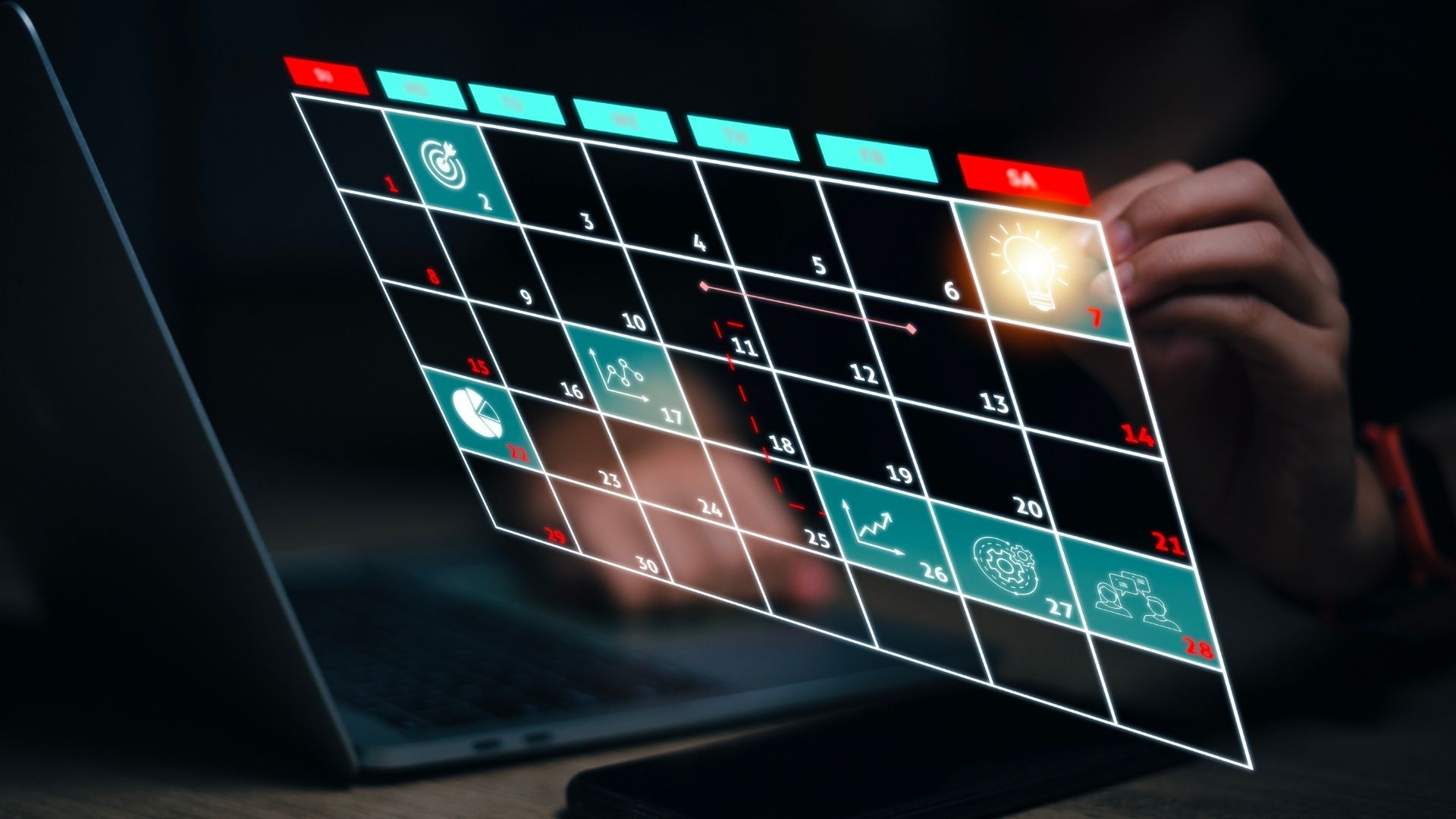
The work expected of them, across training, learning, operations and anything a manager or teammate adds, in one place. No scrolling through chat, no checking the notice board first. A calendar view with each day opening into its tasks fits how people think about a shift: what is on today, and what is coming this week. Frontliners can also add tasks for themselves and assign tasks to teammates, so reminders and requests appear with the rest of the day.
2. Managers and trainers need to see how the day is going.
Three things matter here:
With these, a manager can give the stock count to the person with the fewest tasks that morning. A trainer can schedule a module when there is time for it. Support can reach someone during the shift, when it is most useful.
Teams already use a system for learning, training and checklists. Bringing task management into that same system means a frontliner opens one place and sees the whole day. Learning completion, checklist completion and task progress appear together, and everyone is looking at the same day.
When less of the shift is spent working out what is on, more of it can be spent on the work and on learning. That is the productivity gain, and it is also what builds strong operators. Strong operators anticipate, plan and take responsibility for their work. A clear view of the day supports each of those.
Priya works in a retail store. At the start of her shift she opens her calendar and sees the day: the opening checklist, a 15-minute product module, a display update and a stock count a teammate asked her to take on. She plans the order of her work on the way in.
Her manager can see who is in that day and how the tasks are tracking. When a delivery arrives late morning, he assigns the unpacking to the person with the most capacity and carries on with his own work. Priya fits her module into the quiet hour after lunch.
Nobody had to follow up on a message or check a notice board. The day was clear to everyone involved.
The answers show where a clearer view of the day would help most, for the frontliner and for the people supporting them.


A frontliner's day is full, and most of it is spent on their feet. Within a single shift there can be an opening checklist, a training module, a display change, a stock count and a request from a supervisor, all while attending to walk-ins. The day goes best when everyone can see what is planned, and that is where a good part of frontline productivity starts: the more clearly a team can see the day, the more of the shift is spent on the work itself.
This post looks at how the day's tasks reach frontline teams today, and what changes when everyone can see them in one place.
Instructions arrive in many ways: a WhatsApp group, a notice board, a printed sheet at the entrance, a word from a supervisor at the start of the shift. Each one works well for what it was built to do.
Together, they mean a frontliner puts the day together from several sources, usually between customers.
When tasks are shared in several places, a few patterns appear. None of them reflect effort or intent. They come from information being spread across channels.
Each of these takes only a small amount of time. Across a team and a week, the total is considerable.
1. Frontliners need to see the full day.
The work expected of them, across training, learning, operations and anything a manager or teammate adds, in one place. No scrolling through chat, no checking the notice board first. A calendar view with each day opening into its tasks fits how people think about a shift: what is on today, and what is coming this week. Frontliners can also add tasks for themselves and assign tasks to teammates, so reminders and requests appear with the rest of the day.
2. Managers and trainers need to see how the day is going.
Three things matter here:
With these, a manager can give the stock count to the person with the fewest tasks that morning. A trainer can schedule a module when there is time for it. Support can reach someone during the shift, when it is most useful.
Teams already use a system for learning, training and checklists. Bringing task management into that same system means a frontliner opens one place and sees the whole day. Learning completion, checklist completion and task progress appear together, and everyone is looking at the same day.
When less of the shift is spent working out what is on, more of it can be spent on the work and on learning. That is the productivity gain, and it is also what builds strong operators. Strong operators anticipate, plan and take responsibility for their work. A clear view of the day supports each of those.
Priya works in a retail store. At the start of her shift she opens her calendar and sees the day: the opening checklist, a 15-minute product module, a display update and a stock count a teammate asked her to take on. She plans the order of her work on the way in.
Her manager can see who is in that day and how the tasks are tracking. When a delivery arrives late morning, he assigns the unpacking to the person with the most capacity and carries on with his own work. Priya fits her module into the quiet hour after lunch.
Nobody had to follow up on a message or check a notice board. The day was clear to everyone involved.
The answers show where a clearer view of the day would help most, for the frontliner and for the people supporting them.
Join the brands building better frontline workforces. Live in 50 days. No IT complexity. Dedicated support from day one.




.png)