By
Sanjana Chavali
September 2, 2026
•
5
min read
.png)
Over our blogs, historically, we've made the case for why audits matter. Today, we wanted to take a step back and look at the basics of actually running one.
Let's take QSRs as an example.
With FSSAI requirements and increasing scrutiny around food safety, now's the right time to go beyond assuming that things are being done correctly and start tracking them consistently, within a system. But this doesn't necessarily mean that every store needs a lengthy audit every day.
The starting point is simple: define your priorities, decide what needs to be checked, and assign each check the right frequency. Some things need to be checked every day, some need a manager's supervision once a week, and others need a more structured retail audit once a month.
So, what does that look like in practice?
Before getting into cadences, let's zoom out, since a good QSR audit system needs to do three things:
If your current process isn't doing all three, that's usually the first thing worth fixing, before adding more checklist items.
A good QSR audit system isn't one giant audit. It's a layered system of daily checks, weekly visits, and monthly audits, with each layer serving a different purpose, owner, and level of depth. Together, they cover everything from shelf life and stock rotation to hygiene, store maintenance, and SOP adherence.
Put simply, a compliance check asks, “Is this requirement being met?” A store visit asks, “Is the store operating as it should?” And a retail audit asks, “How does this store perform against defined standards?"
Daily checks are routine operational checks: fast, narrow, usually pass or fail, and done by whoever's on shift. For a QSR, this typically covers restocking and discarding expired items (tied to shelf-life tracking and FIFO rotation), hygiene basics such as handwashing, glove use, and sanitizer concentration at wash stations, general store maintenance and look and feel, and waste management.
The goal isn't depth; it's catching small issues before they become bigger ones.
Weekly checks shift the question from "did this happen today" to "is this happening consistently." An Area Manager isn't re-doing the daily checklist; they're looking for patterns, such as whether the same issue keeps recurring, whether the store holds up on days no one's watching closely, and whether teams are actually following the SOPs they were trained on.
This is also where a store walkthrough differs from a daily task list, since it's a quality spot-check on how the store actually looks and functions, not a re-confirmation that boxes got ticked.
Monthly audits are the most comprehensive of the three, and usually the only one done by a dedicated auditor. They provide a full review against defined standards, with evidence, a score, and clear findings covering stocking, hygiene, documentation, SOP adherence, and overall store condition.
Because it happens less often, it's also where cross-store patterns become visible. If the same finding shows up across several locations, that's rarely a one-store problem; it usually points to something upstream, whether training, equipment, or process, that needs fixing at a system level rather than store by store.
The exact checklist varies by menu, format, and store size, but most QSR audit systems end up organised around a similar set of categories, each sitting at the frequency where it belongs:
Hygiene and safety checklists are mandatory, but the person filling them out also has a restaurant to run. A 50-question daily checklist isn't more thorough than a 10-question one if those 10 questions cover what actually matters. When a checklist feels like a burden stacked on top of the real job, it gets rushed or skipped, and the data becomes unreliable.
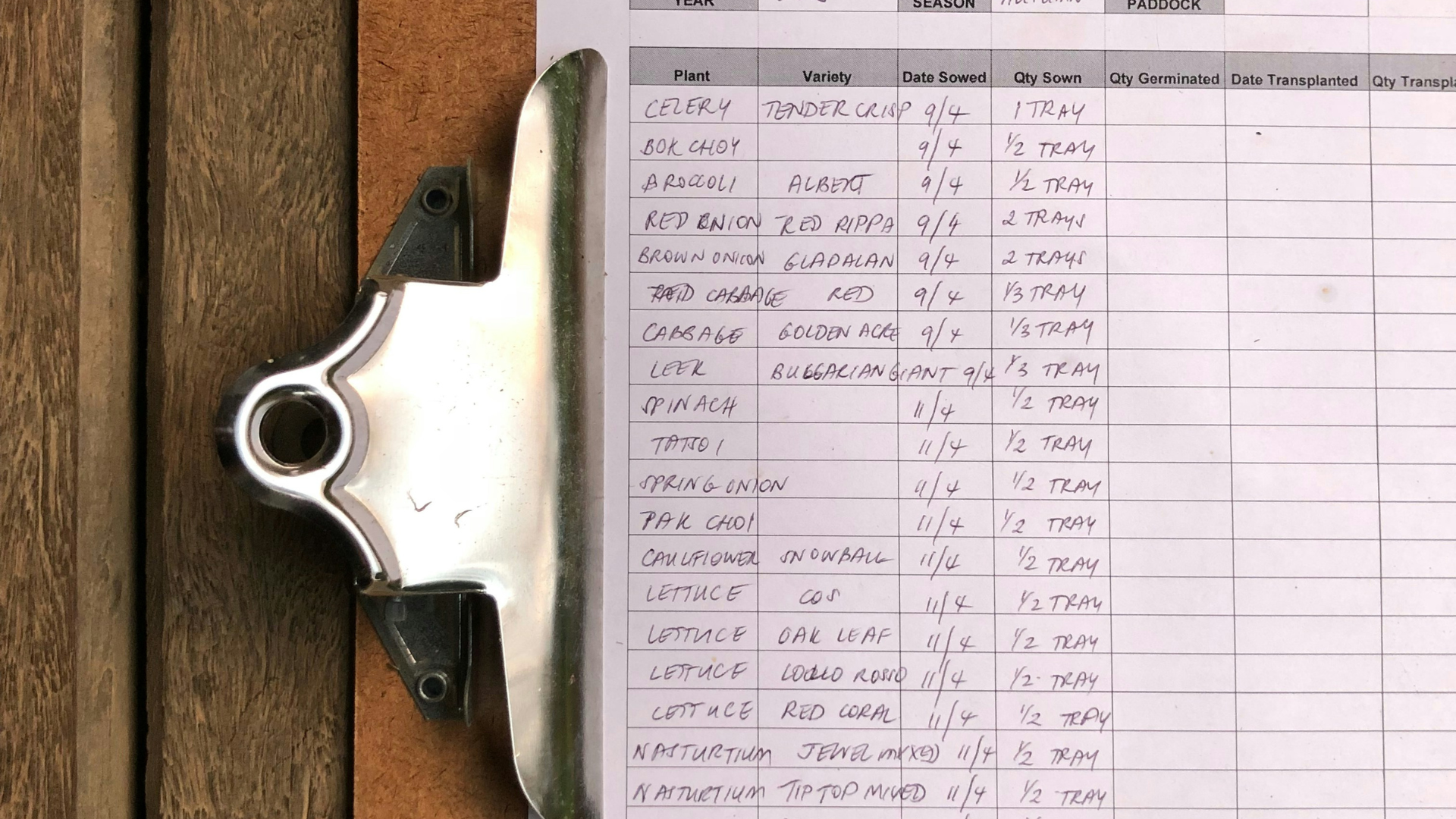
Paper makes this hard to catch. A paper checklist confirms that a box was ticked, but not necessarily when the task was done or by whom. Across a handful of stores, that's manageable to spot-check manually, but across dozens or hundreds, it becomes nearly impossible to tell which stores are genuinely keeping up and which are filling in the form at the end of the day to look compliant.
Mobile completion changes this by making it observable: checklists filled in at the point of work, photo proof attached where it matters, and each entry time-stamped automatically. If something isn't completed on schedule, it flags to the relevant manager instead of quietly going unnoticed, turning audit data from a pile of forms reviewed after the fact into a live view of what's happening across every store, right now.
Daily checklists, weekly store visits, and monthly audits aren't three versions of the same activity; they're three different tools, each answering a different question. Get that layered rhythm right, and everything downstream, from food safety to consistency across stores to regulatory readiness, gets a lot easier to manage.
At Frontlyne, we're building a super app that brings daily checks, store visits, and audits into one place, so teams can spend less time chasing checklists and more time acting on what they find. If this is something you're working through, we'd be happy to chat. You can find us here.


Over our blogs, historically, we've made the case for why audits matter. Today, we wanted to take a step back and look at the basics of actually running one.
Let's take QSRs as an example.
With FSSAI requirements and increasing scrutiny around food safety, now's the right time to go beyond assuming that things are being done correctly and start tracking them consistently, within a system. But this doesn't necessarily mean that every store needs a lengthy audit every day.
The starting point is simple: define your priorities, decide what needs to be checked, and assign each check the right frequency. Some things need to be checked every day, some need a manager's supervision once a week, and others need a more structured retail audit once a month.
So, what does that look like in practice?
Before getting into cadences, let's zoom out, since a good QSR audit system needs to do three things:
If your current process isn't doing all three, that's usually the first thing worth fixing, before adding more checklist items.
A good QSR audit system isn't one giant audit. It's a layered system of daily checks, weekly visits, and monthly audits, with each layer serving a different purpose, owner, and level of depth. Together, they cover everything from shelf life and stock rotation to hygiene, store maintenance, and SOP adherence.
Put simply, a compliance check asks, “Is this requirement being met?” A store visit asks, “Is the store operating as it should?” And a retail audit asks, “How does this store perform against defined standards?"
Daily checks are routine operational checks: fast, narrow, usually pass or fail, and done by whoever's on shift. For a QSR, this typically covers restocking and discarding expired items (tied to shelf-life tracking and FIFO rotation), hygiene basics such as handwashing, glove use, and sanitizer concentration at wash stations, general store maintenance and look and feel, and waste management.
The goal isn't depth; it's catching small issues before they become bigger ones.
Weekly checks shift the question from "did this happen today" to "is this happening consistently." An Area Manager isn't re-doing the daily checklist; they're looking for patterns, such as whether the same issue keeps recurring, whether the store holds up on days no one's watching closely, and whether teams are actually following the SOPs they were trained on.
This is also where a store walkthrough differs from a daily task list, since it's a quality spot-check on how the store actually looks and functions, not a re-confirmation that boxes got ticked.
Monthly audits are the most comprehensive of the three, and usually the only one done by a dedicated auditor. They provide a full review against defined standards, with evidence, a score, and clear findings covering stocking, hygiene, documentation, SOP adherence, and overall store condition.
Because it happens less often, it's also where cross-store patterns become visible. If the same finding shows up across several locations, that's rarely a one-store problem; it usually points to something upstream, whether training, equipment, or process, that needs fixing at a system level rather than store by store.
The exact checklist varies by menu, format, and store size, but most QSR audit systems end up organised around a similar set of categories, each sitting at the frequency where it belongs:
Hygiene and safety checklists are mandatory, but the person filling them out also has a restaurant to run. A 50-question daily checklist isn't more thorough than a 10-question one if those 10 questions cover what actually matters. When a checklist feels like a burden stacked on top of the real job, it gets rushed or skipped, and the data becomes unreliable.
Paper makes this hard to catch. A paper checklist confirms that a box was ticked, but not necessarily when the task was done or by whom. Across a handful of stores, that's manageable to spot-check manually, but across dozens or hundreds, it becomes nearly impossible to tell which stores are genuinely keeping up and which are filling in the form at the end of the day to look compliant.
Mobile completion changes this by making it observable: checklists filled in at the point of work, photo proof attached where it matters, and each entry time-stamped automatically. If something isn't completed on schedule, it flags to the relevant manager instead of quietly going unnoticed, turning audit data from a pile of forms reviewed after the fact into a live view of what's happening across every store, right now.
Daily checklists, weekly store visits, and monthly audits aren't three versions of the same activity; they're three different tools, each answering a different question. Get that layered rhythm right, and everything downstream, from food safety to consistency across stores to regulatory readiness, gets a lot easier to manage.
At Frontlyne, we're building a super app that brings daily checks, store visits, and audits into one place, so teams can spend less time chasing checklists and more time acting on what they find. If this is something you're working through, we'd be happy to chat. You can find us here.
Join the brands building better frontline workforces. Live in 50 days. No IT complexity. Dedicated support from day one.



.jpg)



.png)
.jpg)




.png)